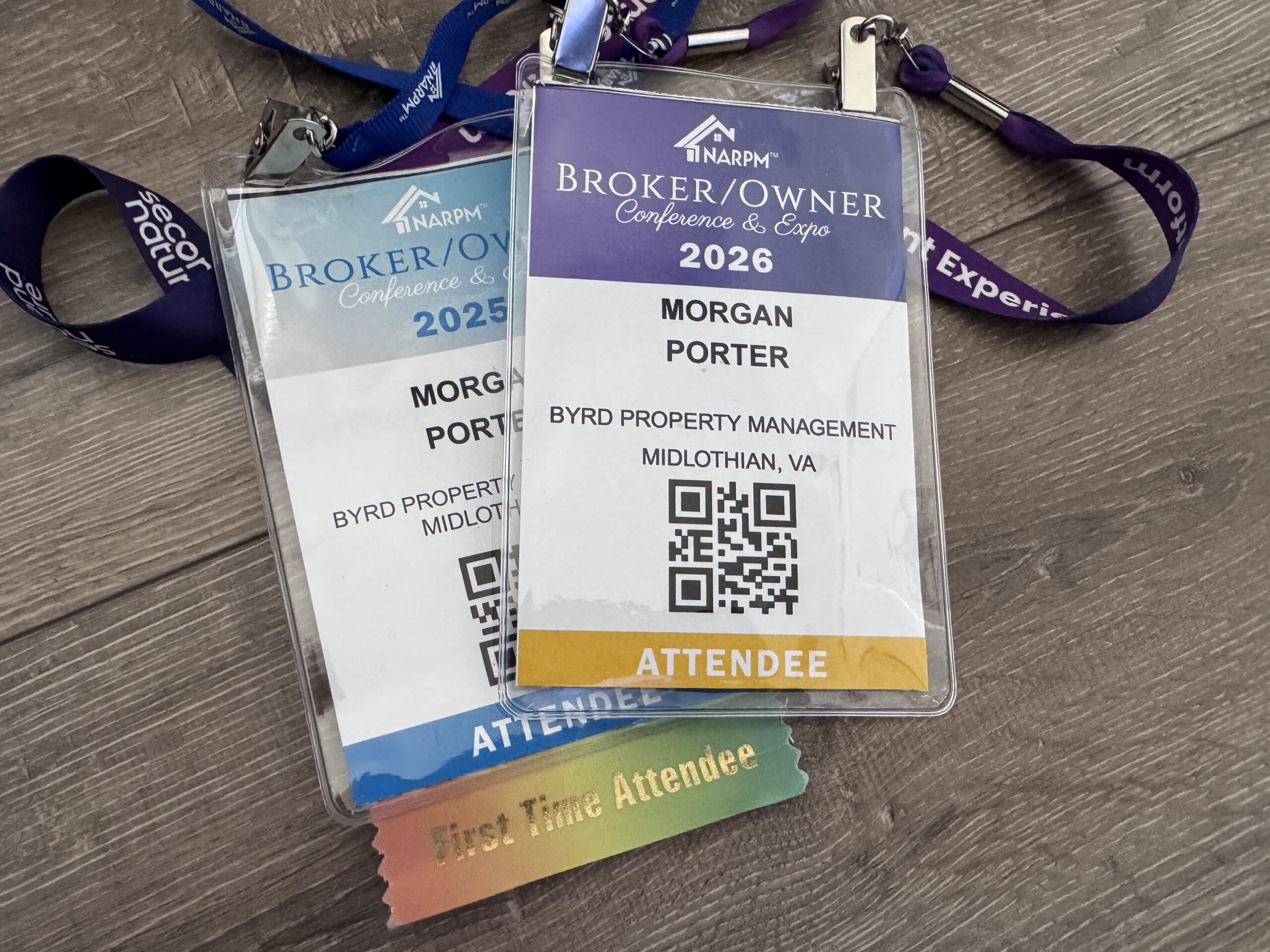
Richmond, Virginia, has emerged as a dynamic real estate investment hub, attracting both seasoned and first-time investors. With its thriving economy, historic charm, and diverse neighborhoods, the city offers immense potential for real estate growth. For beginners, however, navigating Richmond’s real estate landscape can be challenging without the right strategies and insights. This guide provides actionable tips to help first-time investors make informed decisions, minimize risks, and achieve their financial goals.
Understanding the Richmond Real Estate Market
Key Market Trends and Demographics
Richmond’s real estate market is characterized by consistent growth and strong demand, fueled by its robust job market and attractive lifestyle. Key trends include:
- Rising Property Values: Richmond’s median home prices have steadily increased, reflecting strong buyer interest.
- High Rental Demand: With a growing population of young professionals, families, and students, rental properties are in high demand.
- Diverse Demographics: The city attracts a mix of renters and buyers, including college students, young professionals, and retirees.
Popular Neighborhoods for Investment
Certain neighborhoods in Richmond are particularly appealing for real estate investors:
- Short Pump: Known for its excellent schools, shopping centers, and suburban appeal, this area attracts families.
- Church Hill: This historic neighborhood offers charming homes and proximity to downtown, appealing to professionals and history enthusiasts.
- Manchester: With its urban vibe and recent revitalization, Manchester is a hotspot for young professionals and creative industries.
Setting Investment Goals
Clarifying Financial Objectives
Before diving into real estate, establish clear financial goals:
- Rental Income: Aim to generate consistent monthly income by renting out properties.
- Appreciation: Invest in areas with potential for long-term property value growth.
- Portfolio Diversification: Use real estate as a way to diversify your investment portfolio.
Determining the Type of Property to Invest In
Choose a property type that aligns with your goals:
- Single-Family Homes: Ideal for first-time investors seeking manageable entry points.
- Multi-Family Properties: Offer higher rental income potential but require more management.
- Fix-and-Flip Projects: Suitable for those looking to renovate and sell properties for profit.
Financial Preparation
Budgeting and Securing Financing Options
Financial readiness is key to successful real estate investing:
- Budgeting: Account for down payments, closing costs, renovation expenses, and contingencies.
- Financing Options: Explore traditional mortgages, FHA loans, or partnerships to fund your investment.
Importance of Credit Score and Cash Reserves
- Credit Score: A strong credit score improves your chances of securing favorable loan terms.
- Cash Reserves: Maintain a financial cushion to cover unexpected costs or periods without rental income.
Building a Support Team
Roles of Real Estate Agents, Property Managers, and Legal Advisors
A knowledgeable team can simplify the investment process:
- Real Estate Agents: Provide insights into the local market and help find suitable properties.
- Property Managers: Handle day-to-day operations, tenant management, and maintenance.
- Legal Advisors: Ensure compliance with local laws and draft solid lease agreements.
Benefits of Networking with Local Investors
Connecting with Richmond’s real estate community can provide valuable insights and opportunities:
- Join local real estate groups or attend networking events.
- Learn from experienced investors about best practices and market trends.
Conducting Property Research
Property Inspections and Comparative Market Analysis
Conduct thorough research before purchasing a property:
- Inspections: Identify potential issues that could affect property value or rental potential.
- Comparative Market Analysis (CMA): Compare similar properties to gauge pricing and demand.
Evaluating Future Development Plans in Richmond Neighborhoods
Stay informed about upcoming developments:
- Research planned infrastructure projects or commercial expansions that could boost property values.
- Consider neighborhoods with revitalization initiatives for higher appreciation potential.
Managing Your Investment
Responsibilities of Being a Landlord
Owning rental property comes with various responsibilities:
- Tenant Screening: Conduct background checks to find reliable renters.
- Maintenance: Ensure the property remains safe and habitable.
- Rent Collection: Implement systems to collect rent efficiently.
Deciding Between Self-Management and Professional Property Management
Evaluate whether to manage the property yourself or hire professionals:
- Self-Management: Offers cost savings but requires time and effort.
- Professional Management: Provides convenience, especially for investors with multiple properties or limited availability.
Scaling and Continuous Learning
Starting Small with Manageable Investments
Begin with a property type and size that matches your experience level and financial capacity:
- Consider single-family homes or condos as an entry point.
- Use your first investment as a learning opportunity.
Staying Updated on Richmond’s Real Estate Market and Trends
Real estate markets are dynamic; stay informed by:
- Following market reports and economic indicators.
- Attending local seminars and workshops.
- Engaging with industry professionals and associations.

Real estate investment in Richmond offers substantial opportunities for first-time investors. By understanding the market, setting clear goals, and building a reliable support team, you can navigate the complexities of real estate with confidence. Emphasize continuous learning and adaptability to achieve long-term success.
Byrd Property Management’s expertise in property management and tenant services can be a valuable resource for investors looking to streamline operations and maximize returns.
FAQs
Why is Richmond ideal for first-time real estate investors?
Richmond’s stable economy, diverse neighborhoods, and strong rental demand make it an excellent choice for beginners.
What financing options are available for beginners?
Options include traditional mortgages, FHA loans, and partnerships. Consulting with financial advisors can help determine the best fit.
Which Richmond neighborhoods are best for investment?
Popular areas include Short Pump, Church Hill, and Manchester, each offering unique investment opportunities.
Should first-time investors hire a property manager?
For first-time investors, hiring a property manager can provide peace of mind and professional expertise. Services like those offered by Byrd Property Management can handle tenant relations, maintenance, and compliance, allowing investors to focus on growing their portfolio. Hiring a property manager can simplify tenant relations and maintenance, making it a great option for those seeking convenience.
How can new investors minimize risks?
Conduct thorough research, build a strong support team, and maintain cash reserves to handle unexpected challenges.