Preparing your property for new tenants is a critical step for ensuring tenant satisfaction, maintaining property value, and fostering a smooth transition between tenancies. A well-prepared property not only sets the tone for a positive landlord-tenant relationship but also protects your investment by minimizing maintenance issues and maximizing tenant retention.
This comprehensive guide provides actionable property preparation tips to help landlords ready their rental properties for occupancy while adhering to safety, aesthetic, and legal standards.

Conduct a Thorough Inspection
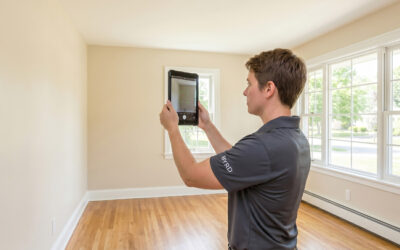
The first step in preparing property for tenants is conducting a detailed inspection. This proactive approach helps identify potential issues, ensuring the property is safe, functional, and appealing to incoming tenants.
Importance of Inspection
Regular inspections before tenancy transitions are essential to avoid costly repairs and ensure compliance with local regulations. Identifying problems such as structural damage or faulty appliances before a tenant moves in reduces tenant dissatisfaction and legal risks.
Inspection Checklist
- Structural Integrity:
- Check for cracks in walls, ceilings, or flooring.
- Inspect doors and windows for proper alignment and sealing.
- Plumbing:
- Test all faucets, showers, and toilets for leaks.
- Check for slow drainage or clogs.
- Electrical Systems:
- Verify that outlets and switches are operational.
- Inspect light fixtures and circuit breakers for faults.
- Appliances:
- Ensure the refrigerator, oven, and other provided appliances are in working order.
- Replace worn-out or malfunctioning units.
Safety Checks
Safety should always be a top priority when preparing rental properties for new tenants. Proper safety measures ensure tenant well-being and protect the property from potential hazards.
Key Safety Features
- Smoke and Carbon Monoxide Detectors:
- Install detectors in all required areas.
- Replace batteries and test functionality.
- Fire Extinguishers:
- Ensure fire extinguishers are accessible and unexpired.
- Secure Locks:
- Test all locks on windows and doors to ensure they work properly.
- Lighting:
- Verify that stairways, hallways, and exterior areas are well-lit.
Cleaning and Repairs
A clean and functional property creates a positive first impression and sets expectations for tenants to maintain the property.
Deep Cleaning Guidelines
- Kitchen and Bathrooms:
- Scrub countertops, cabinets, sinks, and fixtures.
- Remove any limescale or stains from bathroom tiles and toilets.
- Floors and Carpets:
- Mop hard floors and steam-clean carpets.
- Replace worn-out flooring if necessary.
- Windows and Fixtures:
- Wash windows inside and out.
- Dust and clean light fixtures and vents.
Common Repairs
- Fix leaky faucets or running toilets.
- Repair broken tiles, cracked walls, and damaged doors.
- Replace burned-out light bulbs and test HVAC systems.
Updating Security Measures
Security upgrades not only protect tenants but also enhance the property’s appeal.
- Changing Locks:
- Replace locks after every tenant transition to ensure peace of mind.
- Consider upgrading to smart locks for convenience and added security.
- Security Systems:
- Install or update video doorbells and alarm systems.
- Ensure security cameras cover entry points effectively.
Enhancing Curb Appeal
First impressions matter, and the exterior of your property sets the stage for tenant expectations.
Curb Appeal Tips
- Landscaping:
- Mow the lawn, trim hedges, and plant seasonal flowers.
- Exterior Maintenance:
- Pressure wash driveways and siding.
- Repaint the front door and touch up exterior paint.
- Outdoor Lighting:
- Replace outdated fixtures with energy-efficient LED lights.
Updating Interior Aesthetics
Modernizing the interior can significantly impact tenant satisfaction and rental value.
- Painting:
- Apply a fresh coat of neutral-colored paint.
- Touch up areas with scuffs or marks.
- Fixtures:
- Upgrade faucets, cabinet handles, and light fixtures for a modern look.
- Furniture (if applicable):
- Ensure all furnishings are clean and in good condition.
Legal Compliance and Documentation
Adhering to legal standards protects landlords from potential disputes and ensures a smooth tenancy.
Key Requirements
- Local Housing Laws:
- Ensure the property complies with fire, safety, and building codes.
- Lease Agreement:
- Prepare a clear and comprehensive lease outlining terms, conditions, and tenant responsibilities.
- Disclosures:
- Provide required disclosures, such as lead paint or mold information.
Prepare a Welcome Package
A welcome package is a thoughtful way to make new tenants feel valued and informed.
What to Include
- Contact Information:
- Provide emergency and maintenance contact numbers.
- Local Amenities:
- Share information on nearby grocery stores, parks, and public transport.
- Property Guide:
- Include instructions for appliances, trash schedules, and Wi-Fi setup.
- Personal Touch:
- Add a small gift, like a welcome note or snacks.
Final Walkthrough and Handover
A final walkthrough ensures the property is move-in ready and sets the tone for a positive relationship.
- Walkthrough Checklist:
- Verify all repairs and cleaning tasks are complete.
- Test appliances, lights, and plumbing one last time.
- Documentation:
- Take photos or videos to record the property’s condition.
- Handover Process:
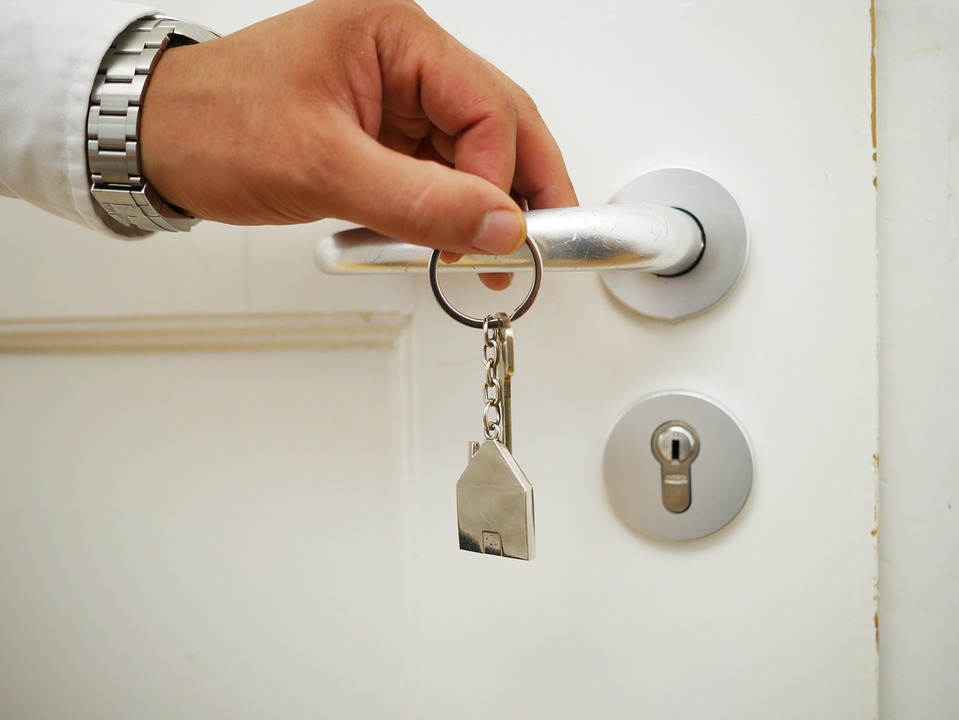
- Review the lease agreement and provide keys.

Preparing rental properties for new tenants requires meticulous attention to detail, from thorough inspections to thoughtful welcome packages. By following these property preparation tips, landlords can create a safe, appealing, and compliant environment that fosters positive landlord-tenant relationships. Such proactive measures not only enhance tenant satisfaction but also protect the long-term value of the property.
Professional property management services, such as those offered by Byrd Property Management, can streamline this process and ensure your property meets the highest standards.
FAQs
What are the most common issues found during property inspections?
Common issues include plumbing leaks, faulty electrical systems, and damaged flooring. Regular inspections can help identify and address these problems promptly.
How often should I change the locks between tenants?
It’s recommended to change locks every time a tenant moves out to ensure the security of the new tenants. Smart locks can simplify this process.
What should I include in a welcome package for new tenants?
Include contact information, instructions for appliances, local amenities, and a small personal touch like a handwritten note or gift.
How can I ensure my property meets all legal safety standards?
Stay updated on local regulations and perform annual checks on smoke detectors, carbon monoxide alarms, and other safety features. Services like those provided by Byrd Property Management, specialize in maintaining legal compliance for rental properties, helping landlords meet all necessary requirements efficiently.
Tips for maintaining a good landlord-tenant relationship?
Clear communication, timely responses to maintenance requests, and periodic check-ins help build trust and foster positive relationships. Professional property managers, such as those offering services in Richmond, Virginia, can provide expert assistance in maintaining properties and addressing tenant concerns, fostering a seamless landlord-tenant relationship.