Property maintenance is a cornerstone of effective property management. For landlords, maintaining rental properties is about more than just aesthetics; it’s about ensuring tenant satisfaction, preserving property value, and complying with legal obligations. Neglecting maintenance can lead to costly repairs, dissatisfied tenants, and potential legal consequences.
This comprehensive guide will provide landlord maintenance tips and essential strategies for managing property maintenance efficiently. By adopting these practices, landlords can ensure their properties remain in excellent condition and foster positive relationships with tenants.
Understanding Landlord Maintenance Responsibilities
Property maintenance responsibilities are essential to maintaining habitable and safe living conditions. Here’s what every landlord should know:
Legal Obligations
- Landlords are legally required to provide habitable conditions, including functional plumbing, heating, and electrical systems.
- Safety features such as smoke detectors and secure locks must be installed and maintained.
Differentiating Landlord and Tenant Responsibilities
- Landlords handle structural and essential maintenance, while tenants are responsible for minor upkeep like cleaning or lawn care (if specified in the lease).
- Clearly outline responsibilities in the lease agreement to avoid disputes.
Consequences of Neglecting Maintenance Duties
- Unaddressed maintenance issues can result in tenant complaints, legal fines, or even eviction disputes.
- A lack of upkeep can diminish property value and increase vacancy rates.
Developing a Proactive Maintenance Plan
Proactive maintenance reduces the likelihood of costly emergencies and ensures long-term property health.
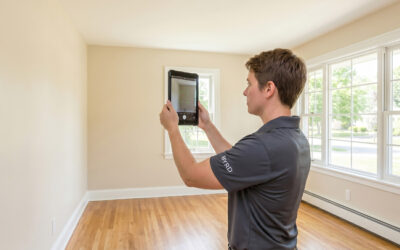
Importance of Regular Inspections
- Routine inspections help identify potential issues before they become major problems.
- Schedule inspections seasonally or biannually to cover structural and functional aspects.
Creating a Maintenance Schedule
- Daily Tasks: Monitor tenant-reported issues.
- Monthly Tasks: Check HVAC filters, inspect fire extinguishers.
- Seasonal Tasks: Address weather-related maintenance needs like gutter cleaning or insulation checks.
Utilizing Property Management Software
- Property management software streamlines tracking maintenance requests and scheduling tasks.
- It helps landlords stay organized and ensures timely responses to issues.
Essential Property Maintenance Tasks
Landlords must prioritize key maintenance areas to keep properties safe and functional.
Structural Maintenance
- Inspect roofs for leaks, clean gutters, and assess foundations for cracks.
- Regularly repaint and repair exteriors to maintain curb appeal.
Plumbing and Electrical Systems
- Conduct regular plumbing checks to prevent leaks and clogs.
- Ensure electrical systems comply with safety standards and address any faults immediately.
HVAC Systems
- Schedule professional servicing for heating and cooling systems at the start of each season.
- Replace filters regularly to improve efficiency and air quality.
Safety Features
- Test smoke detectors, carbon monoxide alarms, and fire extinguishers frequently.
- Ensure all safety features meet local building codes.
Managing Tenant Maintenance Requests
Efficiently handling tenant requests is vital for maintaining good relationships and ensuring timely issue resolution.
Establishing Clear Communication Channels
- Provide tenants with multiple ways to report issues, such as email, phone, or online portals.
- Respond promptly to all maintenance inquiries.
Setting Response Time Expectations
- Categorize requests by urgency: emergencies (e.g., water leaks) should be addressed immediately, while minor repairs can follow a standard timeline.
Documenting and Prioritizing Requests
- Keep detailed records of tenant requests and the actions taken.
- Prioritize tasks based on urgency and potential impact on habitability.
Budgeting for Maintenance Expenses
Effective budgeting ensures landlords can handle both routine and unexpected maintenance costs.
Estimating Annual Maintenance Costs
- Allocate 1-2% of the property’s value annually for maintenance expenses.
Setting Aside Reserves for Unexpected Repairs
- Maintain an emergency fund to cover unforeseen issues, such as storm damage or major system failures.
Cost-Effective Strategies
- Regular maintenance prevents costly repairs.
- Work with reliable contractors to secure competitive rates without compromising quality.
Legal Considerations in Property Maintenance
Compliance with legal standards is non-negotiable for landlords.
Understanding Local Housing Codes
- Familiarize yourself with local building and safety codes to avoid violations.
Ensuring Accessibility and Accommodations
- Adhere to regulations requiring accessibility for tenants with disabilities.
- Make reasonable accommodations as specified by law.
Keeping Detailed Records
- Document all maintenance activities, including receipts and contractor invoices.
- Maintain clear records to protect against potential legal disputes.
Hiring and Managing Contractors
Working with professional contractors ensures high-quality maintenance work.
Selecting Qualified Professionals
- Choose licensed and insured contractors with strong references.
Negotiating Contracts
- Clearly outline the scope of work, timelines, and payment terms in contracts.
- Understand warranties and service guarantees.
Monitoring Work Quality
- Inspect completed work to ensure it meets expectations.
- Maintain good relationships with reliable contractors for future needs.
Seasonal Maintenance Checklist
Seasonal tasks help address weather-specific maintenance needs.
Spring
- Landscaping, gutter cleaning, exterior painting.
Summer
- Air conditioning service, pest control, outdoor area maintenance.
Fall
- Heating system checks, insulation inspection, tree trimming.
Winter
- Snow removal, pipe insulation, emergency preparedness.
Leveraging Technology in Property Maintenance
Technology simplifies and enhances maintenance processes.
Benefits of Property Management Software
- Tracks maintenance schedules and tenant requests.
- Provides reminders for routine tasks.
Utilizing Smart Home Devices
- Install smart thermostats, leak detectors, and security systems to monitor and prevent issues remotely.
Staying Updated with Maintenance Tools
- Invest in modern tools and resources to streamline repairs and upkeep.

Diligent property maintenance is essential for ensuring tenant satisfaction, preserving property value, and avoiding legal complications. By following these landlord maintenance tips, landlords can maintain their properties efficiently and foster positive tenant relationships.
For comprehensive property management solutions, prefer professional services like those offered by Byrd Property Management, ensuring a seamless and hands-off experience.
FAQs
1. What are the most common maintenance issues landlords face?
- Common issues include plumbing leaks, HVAC malfunctions, and roof repairs. Partnering with a reliable property management company like Byrd Property Management can help address these issues promptly.
2. How often should I conduct property inspections?
- Schedule inspections seasonally or biannually to address potential problems proactively.
3. Can tenants be held responsible for certain maintenance tasks?
- Tenants may be responsible for minor upkeep, like cleaning and lawn care, as outlined in the lease agreement.
4. What should I include in a maintenance request form?
- Include fields for tenant contact information, a description of the issue, and urgency level.
5. How can I handle maintenance emergencies effectively?
- Have a plan in place for emergencies, including a list of trusted contractors and a dedicated emergency fund.